

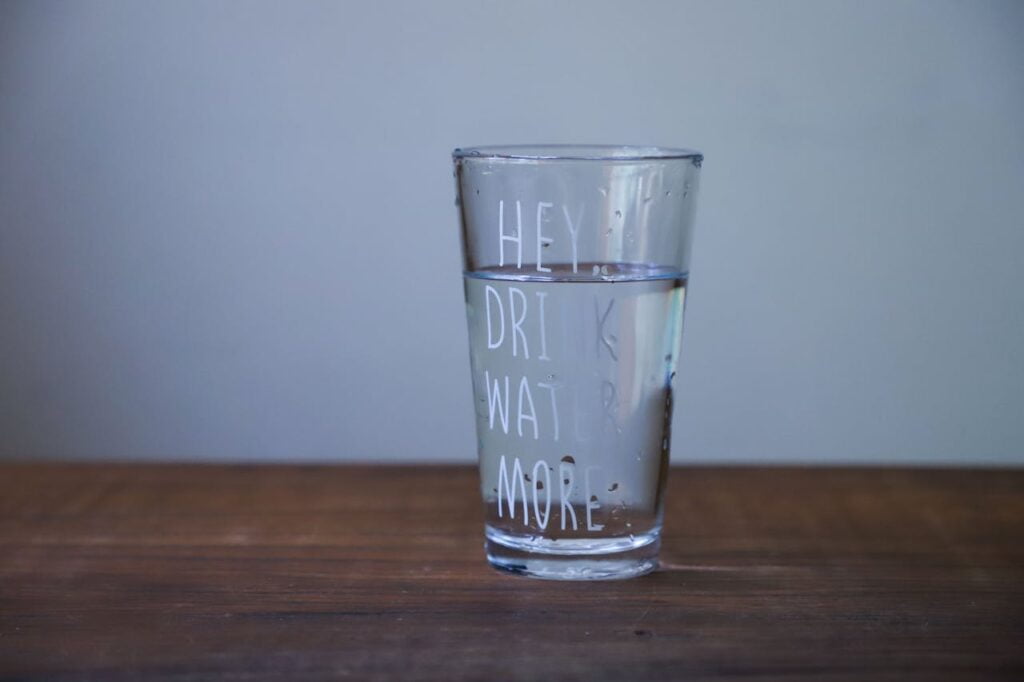
Are you among those who forget to drink water? Everyone knows that hydrating our body is very important, right? But what is hydration, and why is it so important? In this article, we will cover everything you need to know about hydration and tips for staying hydrated.
What is Hydration?
Did you know that water contributes about two-thirds of a human’s body weight? Around 50-60% of the human body is water, considering every cell, tissue, and organ requires adequate water. For example, water helps to remove waste from the body in the form of urine and sweat.
Hydration refers to the body’s need to intake fluids to function properly. This could be done by drinking water or by eating fruits and vegetables rich in water content, like watermelon and cucumber. Milk and fresh juices can also help us stay hydrated. However, it is always advisable to avoid sugary drinks to avoid high calories.
The human body needs about 7-8 glasses of water for functioning. However, this can vary accordingly. Some people may require less than eight glasses of water, while few others require more than 8. It depends on factors such as age, gender, body weight, activity level, pregnancy or breastfeeding, and so on.
Gender: Men need 13 cups of fluids daily, while women need 9 cups to stay hydrated.
Age: While the recommended daily intake of water for children is 5-6 cups, the requirement increases with age. Older adults need even more water, and it depends on many factors, such as their medication and illness, such as diabetes. It is better to ask their doctor for personal recommendations about their fluid intake.
Body weight: Your body requires more water to function adequately as your weight increases.
Physical activity: As physical activities increase, your body sweats excessively, leading to the loss of salt and electrolytes. So, it is important to replace the lost fluid. Even though water is the best fluid, an athlete should seek advice from a healthcare professional about fluid replacement.
Benefits of Hydration
Our body gets a lot of benefits by staying hydrated. That could be as follows:
- Excretion of unwanted waste materials from the body, such as urine and sweat.
- Maintaining the body temperature.
- Carrying the nutrients to cells.
- Preventing memory loss and brain fog.
- It helps regulate blood pressure.
- Aids proper digestion.
The benefits of staying hydrated don’t end with a few bullet points. Being hydrated plays a vital role in staying healthy. Lack of hydration can lead to numerous health issues, ranging from mild to severe.
Let us now discuss it more so you know how important it is to stay hydrated.
Energy
Consuming enough water can eventually prevent dehydration, tiredness, drowsiness, and deliriousness.
Weight Loss
Research shows that drinking water plays a significant role in healthy weight loss. It makes you feel content in between meals, and you won’t have the urge to eat crunchy, high-calorie snacks.
Good Healthy Heart
Lack of water can cause improper heart functioning because blood is primarily composed of water. Rapid heartbeat and rapid breathing can all be symptoms of dehydration.
Prevention of Kidney Stone
If water consumption is insufficient, it can lead to kidney failure and kidney stones. Drinking plenty of water, which removes harmful bacteria, can prevent these.
Temperature Regulation
Drinking plenty of water regulates your body’s temperature. For example, let’s say you exercised. Your body tends to be overheated during activity, so to cool off, it produces sweat.
What happens if your daily consumption of water is low? It leads to a condition known as dehydration.
What is Dehydration?
Dehydration occurs when the body loses too many fluids compared to what it consumes daily, which can interrupt its functions.
What are the Causes and Symptoms of Dehydration?
Dehydration can occur in people of any age group. However, young children and older people are at higher risk. Diarrhea, sweating, frequent urination, fever, vomiting, and not drinking enough water can result in dehydration.
The symptoms of dehydration can vary according to age.
In infants and young children, the symptoms include
- Dry mouth and tongue
- Crying without tears
- High fever
- Vomiting
- No wet diapers for 3 hours or more
- Sunken eye
- Being tired and sleepy
In adults and older adults, the symptoms include
- Extreme thirst
- DiarrheaDiarrhoea
- Fatigue
- Dizziness and confusion
- Less frequent urination
- Dark coloured urine
- Dry skin
The above given are the minor symptoms of dehydration, while dehydration can also be severe. The primary symptoms include:
- Rapid breathing
- Urinary tract infection
- Kidney stone
- Kidney failures
- Seizures
- Heat stroke
Now that you know the importance of hydration and the serious issues of dehydration, what question comes next? How do you stay hydrated? Well, let’s discuss it now.
Tips to Staying Hydrated
Hydration is vital for the proper functioning of the body, but people tend to forget to drink enough water. Here are some tips to stay hydrated.
- Drink water from a personal reusable water bottle to track your daily water intake easily
- Place the water bottle in a visible area as a visual reminder.
- Make a habit of drinking a glass of water as soon as you wake up in the morning. It helps kickstart your metabolism and boost your energy.
- Drink water before every meal.
- Incorporate fruits and vegetables with high water content, such as watermelon, tomatoes, and lettuce, into your diet.
- If you dislike the taste of water for any reason, try adding calorie-free flavors such as fruit and vegetable infusions.
- Set a goal; talk to your nutritionist about your required water intake and set a daily goal.
- Set alarms or reminders: Set an alarm or download apps that help you set reminders to drink water.
It would be best to find a way that suits you best to remind yourself to stay hydrated.
Work and Hydration
While going to work, always carry a bottle of water so that you can consume it whenever necessary. Also, make sure to keep the bottle somewhere visible. You can refill it rather than buy another bottle of water. Remember to drink water before and after meetings.
While having lunch, consume protein and water-rich food products to maintain the water level in your body.
The working environment also significantly dehydrates the human body. Consider drinking more water if you are working in high-temperature or humid areas.
You can also ask your colleagues to compete with you to see who meets the daily water intake goals so that you and your colleagues can stay healthy in a fun way.